

The Great Dog Poo Bag Dilemma
Why I Changed My Mind
For years, I thought I was doing the right thing by buying biodegradable dog poo bags made from corn starch. Like many environmentally conscious dog owners, I assumed "biodegradable" automatically meant better for the planet. Then I had a conversation with a warden at my local nature reserve that completely changed my perspective.
When cleaning up after our dogs, most of us want to minimise our environmental impact. It seems logical a biodegradable bag would be the best choice. After all, if the bag breaks down naturally, that must be better than using conventional plastic, right? The reality, however, can be more complicated.
The Warden explained many biodegradable and compostable dog poo bags only break down properly under specific industrial composting conditions. When they end up in landfill, or worse, are discarded in natural environments, they may not decompose as effectively as consumers expect. In some cases, they can also contaminate recycling or waste streams if disposed of incorrectly.
Perhaps most importantly, dog waste itself is not something that should be composted in standard composting systems due to the bacteria and parasites it can contain.
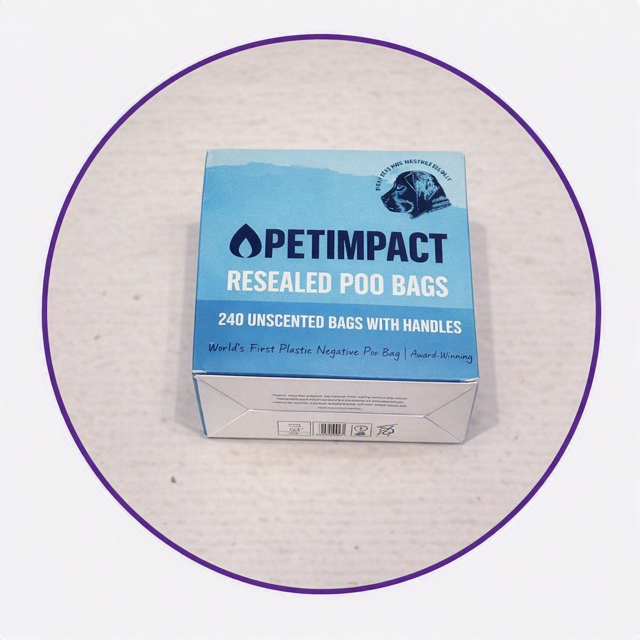
Following that conversation, I decided to switch to dog poo bags made from recycled materials. Whilst they are not recyclable after use, they do give a second life to plastic that has already been produced.
This approach focuses on reducing the demand for virgin plastic rather than relying on claims of biodegradability. The bags are strong, reliable and, importantly, make use of materials that might otherwise become waste.
The truth is there is currently no perfect dog poo bag. Every option has environmental trade-offs.
- Virgin plastic bags require new raw materials.
- Biodegradable bags may not break down as expected in real-world conditions.
- Compostable bags often need specialist facilities.
- Recycled plastic bags still ultimately become waste after use.
For me, using bags made from recycled materials feels like the most honest and practical choice. I'm making use of existing resources while ensuring that my dog's waste is disposed of responsibly.
The biggest environmental win is not necessarily choosing the bag with the most appealing marketing claims. It's using whatever bag you choose correctly:
- Always pick up after your dog.
- Dispose of used bags in the appropriate waste bins.
- Never leave bagged dog waste hanging in trees or beside paths with the intention of collecting it later.
- Consider the full lifecycle of the product, not just the claims on the packaging.
My conversation with the nature reserve warden was a useful reminder that environmental decisions are often more nuanced than they first appear. Sometimes the greener choice isn't the one with the greenest label.
As dog owners, we all want to do the right thing. The key is staying informed, being willing to learn, and recognising responsible disposal matters just as much as the type of bag we choose.